
Introduction
Education grants for students are one of the most powerful tools for making learning affordable and accessible. For many learners, the cost of education feels overwhelming. Tuition fees, books, transportation, and daily expenses can quickly add up. Because of this, many students delay or even give up on their academic dreams. However, education grants for students exist to reduce this financial pressure and open doors to better opportunities.
Unlike loans, grants do not usually need to be repaid. This single feature makes them especially attractive to beginners who are just starting their academic journey. Students from different backgrounds, income levels, and study areas can benefit from grants if they understand how the system works. Education grants for students are offered by governments, educational institutions, and private organizations to support learning and skill development.
In today’s competitive world, education is not just about earning a degree. It is about gaining knowledge, confidence, and long-term stability. Grants help students focus on studies instead of worrying about money. They also encourage talented individuals to continue learning, even when finances are limited.
This guide explains education grants for students in simple English. It is written for beginners and intermediate readers who want clear, practical information. You will learn what grants are, why they matter, how to apply step by step, and how to avoid common mistakes. By the end, you will feel more confident about finding and applying for the right grant.
What Is Education Grants for Students?
Education grants for students are financial awards given to help cover education-related expenses. These expenses may include tuition fees, books, housing, research costs, or other academic needs. In most cases, grants do not require repayment, which makes them different from student loans.
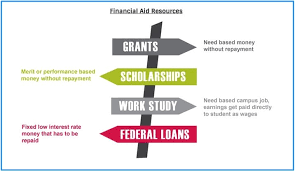
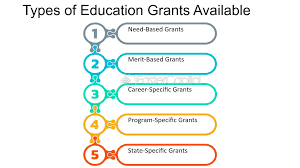
Grants are usually awarded based on specific criteria. Some focus on financial need, while others reward academic merit, talent, or special circumstances. Education grants for students may support school education, college degrees, vocational training, or higher studies.
There are different sources of grants. Governments often provide grants to promote education and skill development. Universities and colleges also offer internal grants to attract and support students. In addition, private organizations and foundations fund grants to support specific fields or communities.
Education grants for students aim to reduce inequality and promote equal access to learning. They ensure that capable students are not stopped by financial barriers. By understanding how these grants work, students can make informed decisions and plan their education more effectively.
Why Is Education Grants for Students Important?
Education grants for students play a vital role in shaping individual lives and society as a whole. Education is expensive, and not every family can afford rising costs. Grants help fill this gap and make learning possible for more people.
One key reason grants are important is that they reduce student debt. Since most grants do not need to be repaid, students can graduate without heavy financial burdens. This allows them to start their careers with confidence instead of stress.
Another reason is equal opportunity. Education grants for students support learners from low-income families, rural areas, or underrepresented groups. This creates a more balanced and inclusive education system.
Grants also encourage academic excellence. Many grants reward hard work, good grades, or special skills. As a result, students stay motivated and focused on their goals.
Finally, education grants for students support national development. Educated individuals contribute more effectively to the economy and society. By investing in students, grant providers invest in a better future.
Detailed Step-by-Step Guide
Step 1: Understand Your Needs and Goals
Before applying, students should clearly understand why they need a grant. Identify your education level, field of study, and financial situation. This helps narrow down suitable options.
Think about what expenses you need help with. Education grants for students may cover full or partial costs. Knowing your needs saves time and effort.
Step 2: Research Available Grants
The next step is research. Look for grants offered by governments, institutions, and organizations. Focus on eligibility rules, deadlines, and benefits.
Make a list of grants that match your profile. Education grants for students often have specific requirements, so careful reading is important.
Step 3: Check Eligibility Criteria
Every grant has eligibility conditions. These may include academic performance, income level, age, or field of study.
Read the criteria carefully. Applying for grants you are not eligible for wastes time. Choose education grants for students that fit your background.
Step 4: Prepare Required Documents
Most grant applications require documents. Common examples include academic records, identification, and financial information.
Organize these documents early. Having everything ready makes the application process smooth and stress-free.
Step 5: Write a Strong Application
A good application explains why you deserve the grant. Be honest and clear. Highlight achievements, goals, and financial needs.
Use simple language and follow instructions. Education grants for students often receive many applications, so clarity matters.
Step 6: Submit Before the Deadline
Deadlines are strict. Late applications are usually rejected. Submit your application early to avoid technical issues.
After submission, keep a copy for records. This helps in case follow-up is needed.
Step 7: Follow Up and Stay Organized
Some grants may require interviews or additional information. Check emails regularly and respond on time.
Staying organized increases your chances of success with education grants for students.
Benefits of Education Grants for Students
- Reduce or remove the need for student loans
- Lower financial stress during studies
- Improve access to quality education
- Encourage academic performance and motivation
- Support students from diverse backgrounds
- Allow focus on learning instead of earning
- Increase long-term career opportunities
Disadvantages / Risks
- Limited availability and high competition
- Strict eligibility criteria
- Time-consuming application process
- Partial coverage of expenses in some cases
- Risk of missing deadlines
- Possible conditions to maintain performance
Common Mistakes to Avoid
Many students miss opportunities due to simple mistakes. One common error is not reading eligibility criteria properly. Applying without meeting requirements leads to rejection.
Another mistake is poor preparation. Missing documents or incomplete forms can ruin a strong application. Education grants for students require attention to detail.
Some students also apply too late. Deadlines are final, so timing is crucial. Lastly, using unclear or copied statements weakens applications. Always be original and honest.
Avoiding these mistakes improves your chances of securing education grants for students.
FAQs
What are education grants for students?
Education grants for students are financial awards that help cover study expenses. They usually do not need repayment and support different education levels.
Who can apply for education grants for students?
Eligibility depends on the grant. Many are open to students based on need, merit, or specific backgrounds.
Do education grants for students need to be repaid?
Most grants do not require repayment. However, some may have conditions to maintain eligibility.
Can I apply for multiple grants at the same time?
Yes, students can apply for multiple education grants for students as long as rules allow it.
Are education grants for students only for high achievers?
No. Some grants focus on financial need or special circumstances, not just academic performance.
How long does the grant process take?
The timeline varies. Some grants respond quickly, while others take months to review applications.
Expert Tips & Bonus Points
Start early and stay organized. Early preparation reduces stress and improves application quality.
Customize each application. Do not use the same statement for every grant. Tailor it to the provider’s goals.
Keep records of deadlines and submissions. Tracking progress helps manage multiple applications.
Finally, stay positive. Education grants for students are competitive, but persistence often leads to success.
Conclusion
Education grants for students are a valuable opportunity for anyone who wants to learn without heavy financial pressure. They provide direct support that allows students to focus on education, personal growth, and career goals. By removing financial barriers, grants make education more inclusive and fair.
Understanding how education grants for students work is the first step toward success. From researching options to submitting strong applications, every step matters. While competition can be tough, careful planning and honest effort increase your chances.
Grants also offer long-term benefits. Graduating without debt gives students freedom to choose careers based on passion instead of repayment pressure. This leads to better outcomes for individuals and society.
In the end, education grants for students are more than financial help. They are an investment in potential, talent, and the future. With the right approach, any motivated learner can benefit from them and move closer to achieving their dreams.